Biomedical Equipment Technician
Learn to install, inspect, maintain, and repair the medical equipment that keeps modern healthcare running. Build the electronics, safety, and troubleshooting skills hospitals depend on.
- CredentialCertificate of Completion
- Duration18 weeks
- Tuition$2,495
What Is the Biomedical Equipment Technician Program?
Biomedical Equipment Technicians (BMETs) are responsible for keeping the complex machinery that supports patient care running smoothly. From life-saving ventilators to diagnostic imaging machines, BMETs install, maintain, repair, and calibrate this equipment to ensure it operates safely and accurately. It's a critical role that requires a combination of technical expertise, problem-solving skills, and a strong dedication to patient care.
Where in the AdventHealth Network Can You Work?
The Biomedical Equipment Technician program is designed to give you a comprehensive foundation — covering both the knowledge and hands-on skills you need to step confidently into your new role.
Through a structured, self-paced curriculum built around real-world application, you'll graduate with credentials that employers recognize and trust.
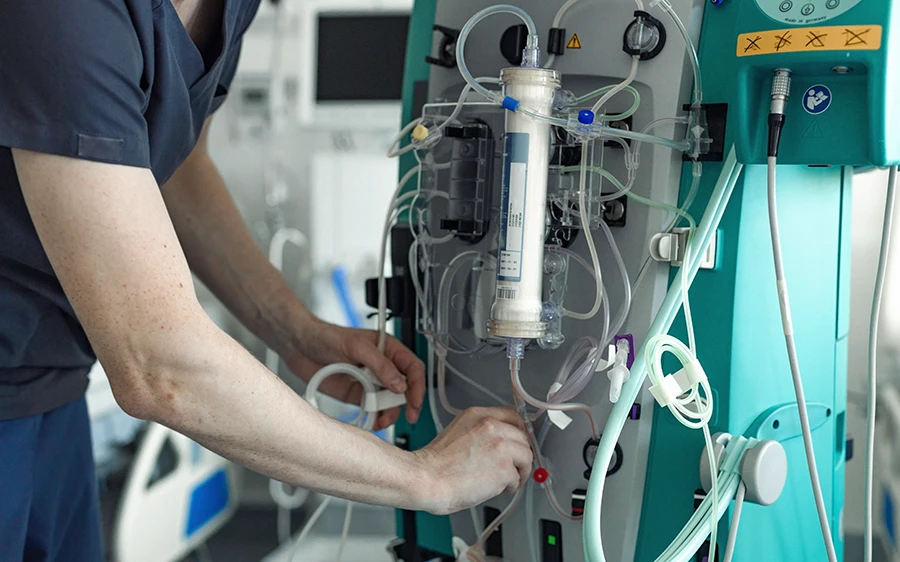
Becoming a Qualified Biomedical Equipment Technician
Biomedical Equipment Technicians (BMETs) are responsible for keeping the complex machinery that supports patient care running smoothly. From life-saving ventilators to diagnostic imaging machines, BMETs install, maintain, repair, and calibrate this equipment to ensure it operates safely and accurately. It's a critical role that requires a combination of technical expertise, problem-solving skills, and a strong dedication to patient care.
You Will Learn To:
- Repairing and replacing medical equipment
- Troubleshooting and fixing malfunctions
- Calibrating and adjusting equipment
- Performing routine maintenance checks
- Testing equipment for functionality
- Understanding electrical and electronic systems
- Adhering to safety guidelines
- Utilizing technical tools and equipment
- Maintaining detailed records
- Collaborating with healthcare teams and problem-solving
Requirements
- High school diploma or GED
- Oral and written English proficiency
- Computer with minimum 1.6 GHz processor, 512 MB RAM, microphone, speakers, 720p webcam, HTML5 browser, high-speed internet, antivirus software, Adobe Reader
- Valid, accessible email address
- Microsoft Office 2007 or equivalent
- Completed course registration and payment
- Personal statement detailing interest and career goals
- Professional recommendation letter from supervisor
- BMET Pre-Admissions Self-Assessment Questionnaire
- Signed Commitment Agreement
- Minimum 10–15 weekly hours commitment
Provided Courseroom Materials
- Weekly digital webinars
- Course presentations and lectures
- Course notes
- Access to online portal for digital discussions
Is This Program Right for You?
The Biomedical Equipment Technician certificate is built for motivated learners ready to advance — no prior experience needed. Flexible scheduling lets you study on your terms.
Request InformationWhat You'll Learn
3 modules covering everything you need to succeed.
Medical Electronics FoundationsModule 01
- Electrical & Electronic Fundamentals
- Circuit Analysis
- Sensors & Transducers
- Medical Instrumentation Overview
Maintenance & SafetyModule 02
- Preventive Maintenance Procedures
- Electrical Safety Testing
- Regulatory Standards (NFPA, FDA, AAMI)
- Calibration & Verification
Devices & TroubleshootingModule 03
- Patient Monitoring Systems
- Infusion & Life-Support Devices
- Troubleshooting Methodology
- Service Documentation & Asset Management
What Can You Do With a Biomedical Equipment Technician Certificate?
A Biomedical Equipment Technician certificate positions you for a stable, in-demand career at the intersection of technology and healthcare, supporting the teams that deliver patient care.
Careers to Explore
Biomedical equipment technicians work primarily in hospitals, clinics, and outpatient surgery centers. Entry-level positions are available at hospitals, Original Equipment Manufacturers (OEMs), and Independent Service Organizations (ISOs).
As a graduate you may be eligible for these careers:
- Biomedical Equipment Technician
- Field Service Engineer
- Medical Equipment & Instrumentation Technician
Strong Demand for Biomedical Equipment Technicians
According to the U.S. Bureau of Labor Statistics, employment is expected to grow 13% (much faster than other occupations) over the next decade.
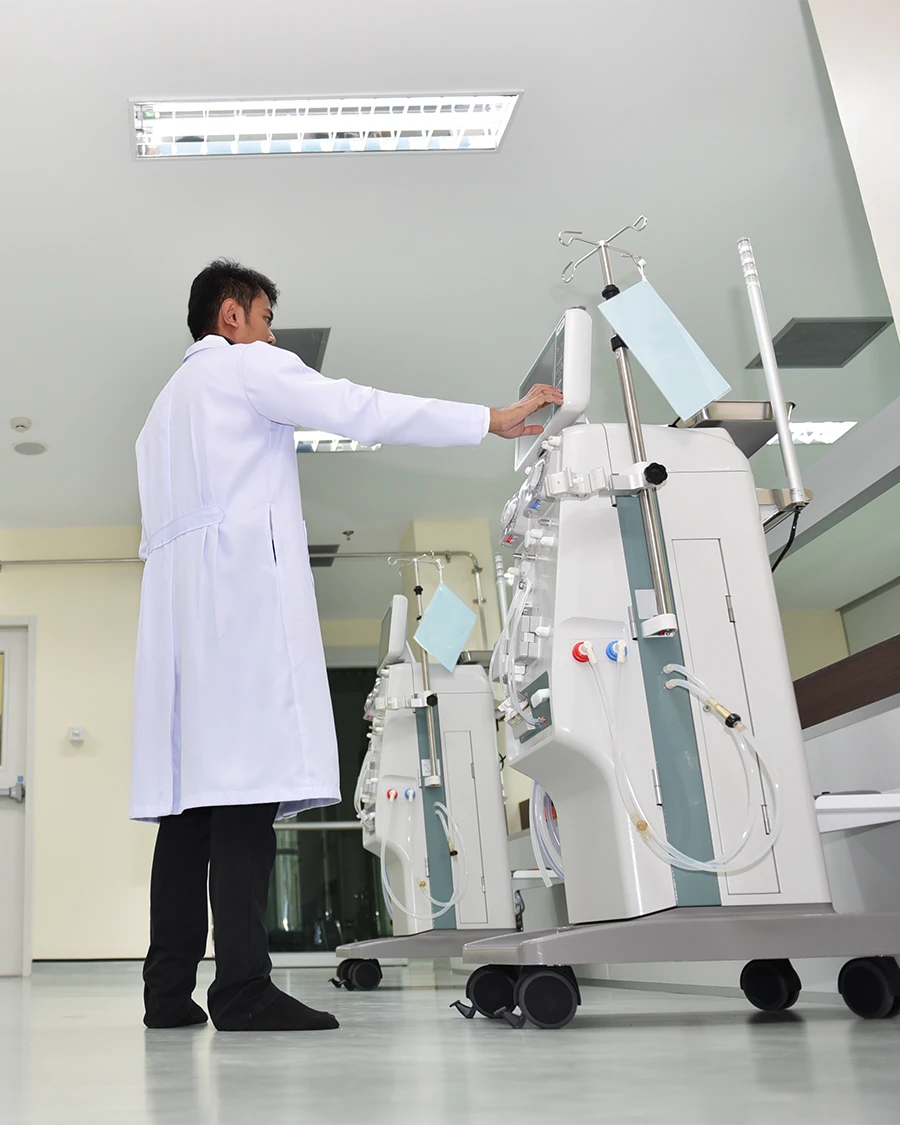
Get Certified & Stand Out to Employers
Complete your certificate and validate your skills with an industry-recognized credential. Select program tiers include a complimentary exam voucher toward your Certificate of Completion certification.
Request InformationYou will receive a complimentary voucher for each of these certification exams.
Frequently Asked Questions
How long does it take to complete the Biomedical Equipment Technician (BMET) program?
Students can complete the BMET certificate program in 18 weeks (about 4 and a half months) if they study full-time.
What are the physical demands of a Biomedical Equipment Technician (BMET) role?
BMETs often work in hospital or clinical settings, which may involve lifting, carrying, and moving heavy equipment. The role also requires standing, walking, and bending for extended periods, and the ability to perform tasks requiring manual dexterity and precision.
What skills are essential for a successful Biomedical Equipment Technician (BMET)?
A strong BMET job candidate will have a strong foundation in electronics, mechanics, and computer science. Additionally, excellent problem-solving, analytical, and troubleshooting skills are crucial. Attention to detail, the ability to follow technical procedures, and effective communication skills are also essential for this role.
What career advancement opportunities are available after completing a Biomedical Equipment Technician (BMET) program?
A BMET certification can serve as a solid foundation for a career in healthcare technology. With additional experience and training, graduates can advance to roles such as Biomedical Equipment Specialist, Field Service Engineer, or Biomedical Engineering Technician.
Accreditation & Licensed Certifying Bodies
AdventHealth University is institutionally accredited and its programs align to recognized certifying bodies — the legitimacy your next employer expects.
Ready to Advance Your Career?
Take the next step. Request information about the Biomedical Equipment Technician certificate and an advisor will reach out to help you get started.
Request Information